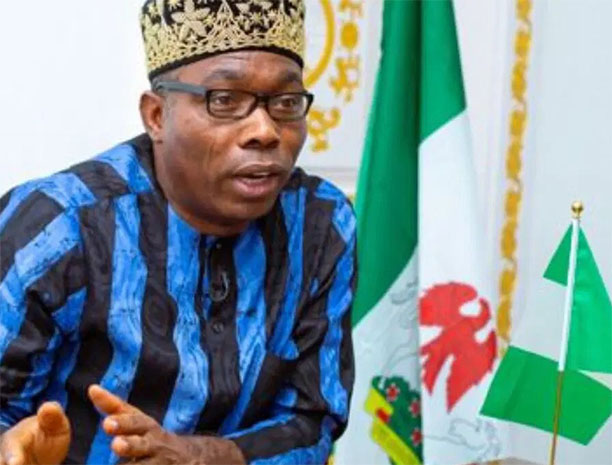
Prince Adewole Adebayo, the presidential candidate of the Social Democratic Party (SDP) in the 2023 general elections, has said Nigeria’s economic challenges are solvable but require deliberate investment in housing, healthcare, education, and agriculture rather than empty rhetoric on inflation and GDP growth.
In an interview, he described the economy left by former President Muhammadu Buhari as poorly managed, likening it to “an emergency room patient—stabilised, but not yet on the path to full recovery.” He noted that while President Bola Tinubu has taken steps to stabilise the situation, he has not yet diagnosed the root cause of the problems.
According to Adebayo, some of Tinubu’s early measures worsened conditions, though he acknowledged improvements in revenue collection and reduced domestic borrowing compared to Buhari’s era. However, he argued that these gains have not translated into stronger government spending power or infrastructure growth. On inflation, he faulted the government’s reporting methods, stating that the slight drop from 21.7% to 20.7% was more statistical than real. “Food inflation, which is a major driver of hardship, has eased slightly, but not enough for ordinary Nigerians to feel relief. To illustrate, it’s like lowering a bag of rice from ten feet to eight feet—you still cannot reach it, even though it is technically lower,” he said.
He added that while Nigeria’s inflation remains above 20%, neighboring ECOWAS countries operating under the CFA maintain rates below 3%, while countries like Tanzania stand around 3.3%, and South Africa and Morocco are below 5%. He projected that the naira may stabilise around N1,430 to the dollar by Christmas, noting that while this may provide predictability for households and businesses, stability alone cannot deliver growth. He stressed that the IMF and other analysts have consistently identified Nigeria’s poor infrastructure as the structural driver of inflation, warning that without investments in transport, power, and agriculture, costs will remain high and poverty will deepen.
On former Speaker Yakubu Dogara’s criticism that Buhari left a “dead economy,” Adebayo agreed the situation was dire but held the National Assembly complicit for enabling reckless practices. He noted that the Ways and Means financing of N22.7 trillion under Buhari should have led to impeachment but was instead retroactively legalised. He maintained that the same political actors who brought Buhari to power, including Tinubu, share responsibility for the present situation. He added that what matters now is not political commentary but building a consistent, long-term strategy that creates jobs, reduces inflation and unemployment to single digits, and grows the real economy.
Adebayo highlighted that Nigerians are more concerned with the microeconomic realities of daily life than macro indicators. He said improvements in borrowing levels and food supply due to harvest season are temporary unless they translate into jobs and lower costs of living. He stressed that until families can afford food, housing, and education, government claims of progress will ring hollow.
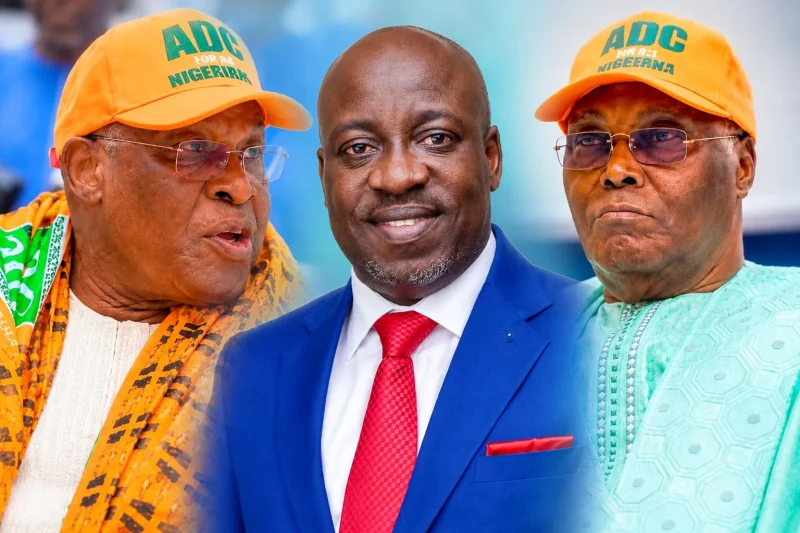
On Atiku Abubakar’s warning that economic hardship could spark a revolution similar to #EndSARS or the Arab Spring, Adebayo disagreed. He said Nigeria’s problems require policy change, not revolution. “Our problems are not impossible to solve. Instead of a revolution, the government should fix tax policy, grow GDP by at least 12%, and invest in people the way Brazil once did. If the government creates jobs and invests in them, no one will be talking about revolution. People will be too busy working,” he said.
He criticised the 2025 budget as insufficient to empower citizens, comparing it to Argentina’s austerity-driven style, and insisted that investing in social infrastructure would yield sustainable growth. “He sees these areas as expenses; I see them as investments that drive GDP growth and job creation. You can’t create jobs out of thin air—you need strong infrastructure, affordable housing, good schools, working hospitals, and better transport,” he said.
On the government’s belief that Nigeria may soon achieve single-digit inflation, Adebayo said it would only mark the beginning of progress, not an end. “It’s like saying a patient’s temperature has returned to normal—it’s a good sign, but the illness may still be there,” he explained. He stressed that the true measure of success is whether government policies improve the lives of ordinary Nigerians.