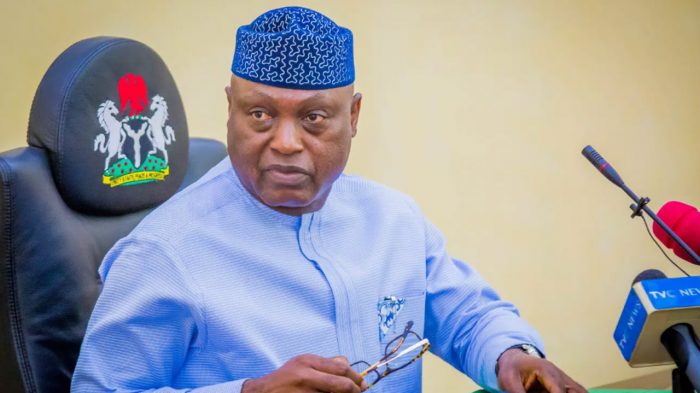
The build-up to the June 2026 Ekiti governorship election is intensifying as the political fate of Governor Biodun Oyebanji and his key challenger, Kayode Ojo, will be determined at the All Progressives Congress (APC) primary scheduled for next month. Observers believe the outcome of this intra-party contest could shape the state’s political direction.
Ekiti, known for its intellectual tradition, cultural pride, and passionate political history, is now at a crossroads. Less than a year to the polls, Oyebanji’s administration faces criticism over governance and performance, while disenchanted APC members are rallying behind Ojo, a businessman and technocrat positioning himself as a reformist alternative. For many, the 2026 election will serve as a referendum on Oyebanji’s stewardship, the APC’s internal cohesion, and the state’s future trajectory.
Despite APC’s firm grip on Ekiti since winning power from the PDP in 2018 with Kayode Fayemi, cracks are now visible within the party. Critics allege that Oyebanji has sidelined grassroots structures that delivered his 2022 victory, giving appointments to opposition figures while neglecting loyal party members. Reports indicate APC membership has dropped significantly, fueling suspicion of manipulation ahead of the primaries. A ward leader in Ikole lamented, “The APC is not the same party we worked for in 2022. People who fought for the victory are being abandoned, while strangers enjoy the rewards. That is why many are now looking towards Ojo.”
Oyebanji is also under scrutiny for alleged underperformance in infrastructure, healthcare, and education. His handling of federal roads in the state has drawn criticism, with opponents comparing him unfavorably to Ogun State’s Governor Dapo Abiodun, who committed substantial funds to similar projects. Civil society groups argue that Oyebanji offers excuses instead of solutions, while critics accuse him of diverting resources into political rallies rather than development. His supporters, however, defend him as working within financial constraints and making progress in empowerment, community development, and governance reforms.
Meanwhile, Ojo has steadily built momentum since losing to Oyebanji in the 2022 APC primary. His interventions, such as facilitating repairs on the Ifaki–Ikole road as Pro-Chancellor of the Federal University, Oye-Ekiti, have earned him public admiration. His respected tenure at the University of Nigeria, Nsukka, where he helped resolve a leadership vacuum, has further enhanced his national profile.
Ojo has unveiled a 10-year master plan for Ekiti’s transformation, covering infrastructure, agriculture, education, technology, healthcare, tourism, and security. His proposals include a Lagos-linked expressway, agro-industrial parks, digital classrooms, innovation hubs, a health insurance scheme, and a surveillance-driven security system. His team projects that the plan could create one million jobs and cut poverty by 40 per cent within a decade.
Oyebanji, on the other hand, will highlight his record since 2022, which includes reconnecting communities to power, launching an Independent Power Project, expanding the Ekiti Knowledge Zone with AfDB support, recruiting teachers, funding SMEs, and advancing roads, hospitals, and rural electrification. His administration has also prioritized debt reduction, transparency, and inclusivity.
The looming contest is sharpening divisions within the APC. If Oyebanji secures the ticket, his record will face direct electoral scrutiny. If Ojo or another challenger wins, the party may struggle to repair divisions ahead of the general election, potentially opening the door for the PDP or smaller parties like the SDP and ADC. Analysts warn that voter apathy, driven by unmet promises and disillusionment, could worsen unless citizens perceive credible options.
A lecturer in Ado-Ekiti captured the mood: “People in Ekiti are tired of politics as usual. They want a governor who can fix roads, revive schools, and attract investment. It is not about slogans anymore; it is about delivery.”
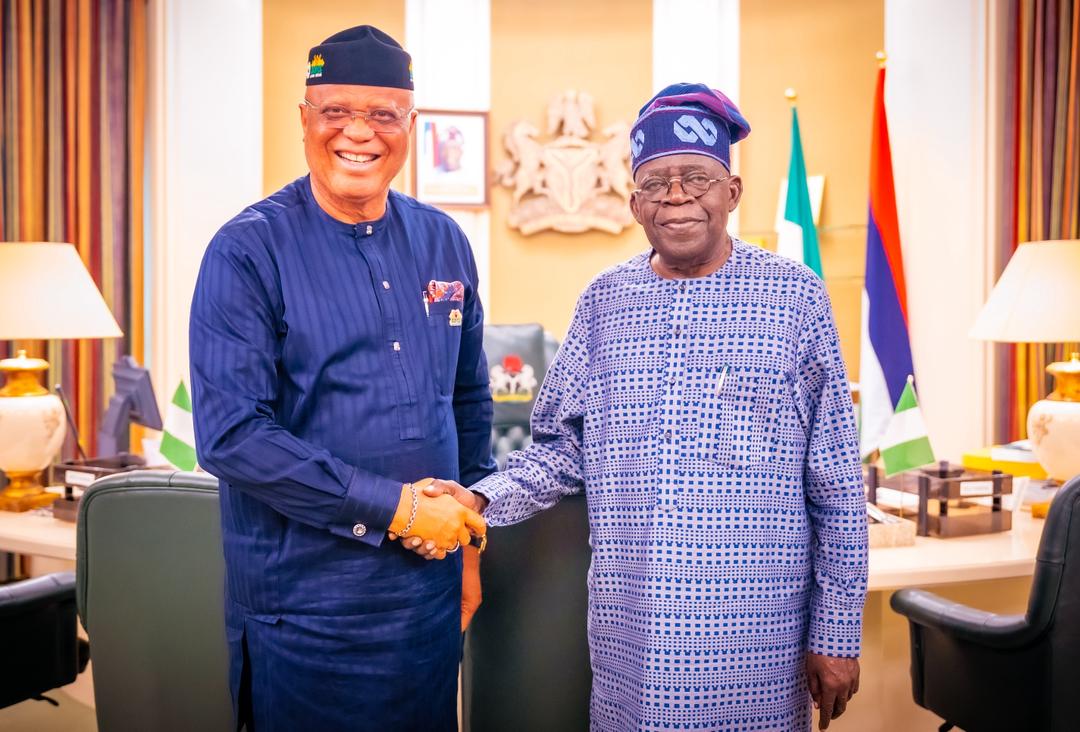
President Bola Ahmed Tinubu’s role will be pivotal. As APC leader with strong Southwest roots, his balancing of loyalty to the incumbent and Ojo’s reformist appeal could determine the party’s ticket. Ojo’s allies argue his alignment with Tinubu’s “Renewed Hope Agenda” makes him a natural choice, while Oyebanji’s incumbency offers established networks.
Ultimately, the election will determine more than who occupies Oke Ayoba House. It will define Ekiti’s governance priorities for the next decade, as citizens demand better roads, functional schools, healthcare, and jobs in a state long marked by electoral unpredictability and shifting allegiances.