Political divisions are widening over President Bola Tinubu’s economic reforms, with critics warning of democratic backsliding and deepening hardship, while supporters argue the measures are necessary and defend his leadership ahead of the 2027 general elections.
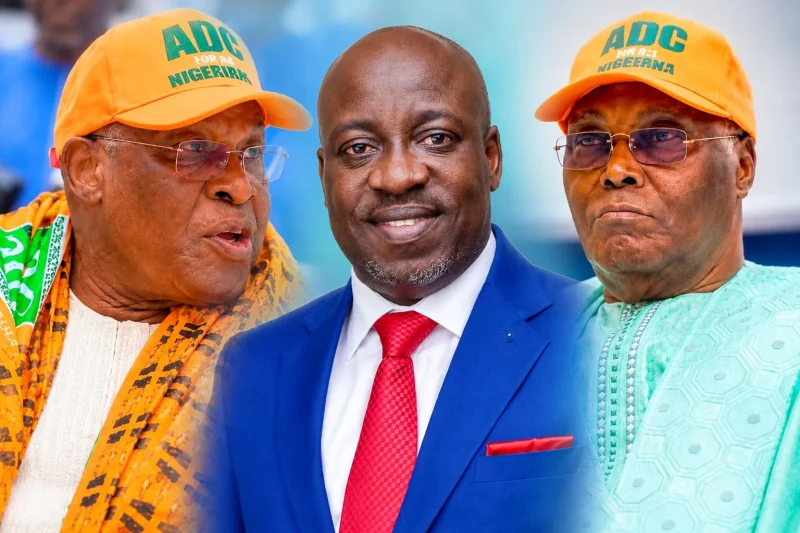
The African Democratic Congress accused the administration of lacking clear direction and worsening citizens’ suffering. Party spokesman Bolaji Abdullahi faulted the subsidy removal without palliatives and the devaluation of the naira, saying both moves had crushed purchasing power. “Someone earning N35,000 can no longer afford what they previously could. Even with a minimum wage of N70,000, most Nigerians remain below the extreme poverty line,” he said. He also condemned a five per cent petrol levy due in January and a new aviation tax, calling the policies punitive. Abdullahi argued that government must not break citizens’ backs under the guise of tough medicine, insisting that the constitution does not guarantee an automatic eight years in office.
Former Kaduna State Governor Nasir el-Rufai also criticised the administration, comparing Tinubu’s trajectory to that of Cameroon’s Paul Biya, alleging an attempt to centralise power and warning that the president might seek extended rule beyond constitutional limits. Speaking after a solidarity visit from former Vice President Atiku Abubakar, El-Rufai declared: “This government is trying to centralise everything instead of devolving powers to the lower levels… if we don’t come together to end this Tinubu administration in 2027, Tinubu will try to be our Paul Biya.” He added that Nigeria’s democracy under Tinubu was worse than any military regime.
Opposition groups are beginning to mobilise in response. The Gbenga Hashim Solidarity Movement held a rally in Osogbo, Osun State, presenting Gbenga Olawepo-Hashim as an alternative leader. Describing the government as heartless, Olawepo-Hashim pledged to restore dignity, justice, and accountability. His supporters said Nigerians were facing hunger, insecurity, and hopelessness, portraying him as ready to lead a rescue mission. From Osun, they vowed the movement would spread across the South-West to challenge Tinubu’s dominance, while the PDP’s decision to throw open its 2027 ticket was hailed as a pathway for his candidacy.
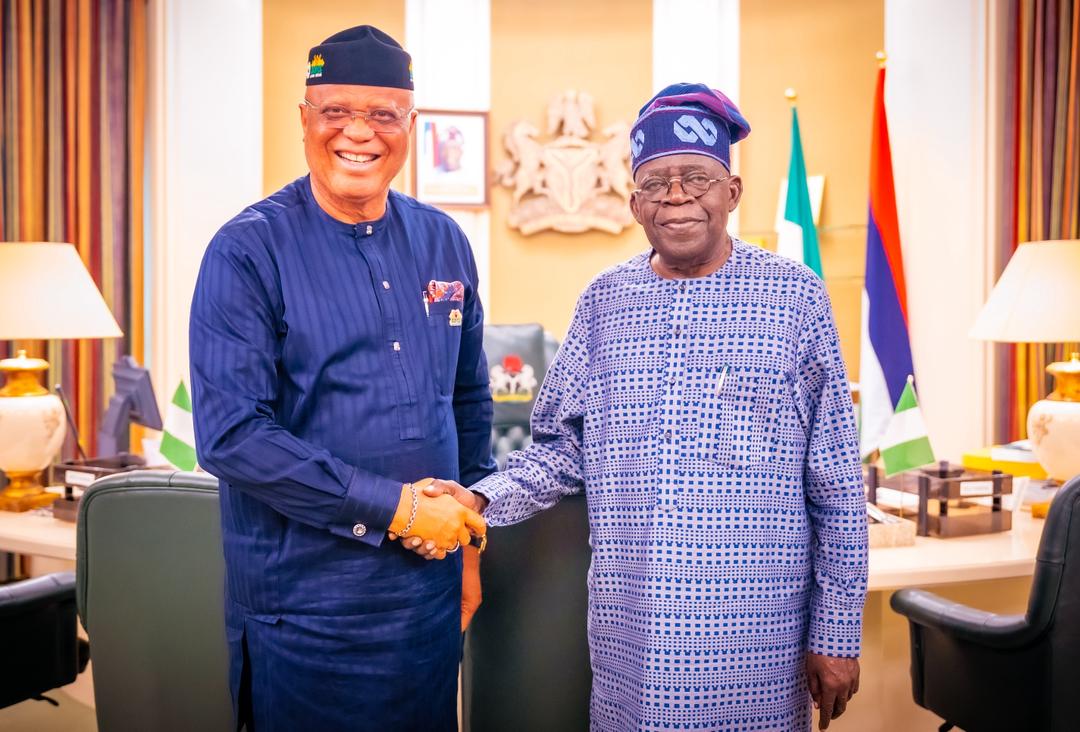
However, Tinubu’s allies are reinforcing support. In Ogun State, former governor and senator Otunba Gbenga Daniel launched the BATOGD Movement, describing Tinubu as the first leader to provide conscious leadership through subsidy removal and forex reforms. He argued that the policies had reduced market volatility and insisted Tinubu deserved a second term “as a matter of equity and justice” for the South-West. Daniel also tied the administration’s initiatives to his personal development projects in Ogun, while reiterating his push for the creation of Ijebu State.
Similarly, APC founding member Sam Nkire urged Tinubu to bring back NNPP presidential candidate Rabiu Musa Kwankwaso, saying his return would secure APC’s victory in 2027. He recalled Kwankwaso’s past relationship with Tinubu and expressed confidence in the president’s ability to strike a deal that would neutralise the opposition.
Meanwhile, the Presidency defended Tinubu’s weekend visit to Kaduna, where he attended a wedding and condoled with Aisha Buhari. Special Adviser Sunday Dare said the trip disproved claims that the state was hostile to Tinubu. He described Kaduna as a symbol of northern political power and recalled its role as home to the influential Kaduna Mafia. “It was into this charged political environment, months after opponents had fanned narratives of hostility to him, that President Bola Ahmed Tinubu chose to walk boldly,” Dare said, portraying the visit as evidence of growing acceptance and the impact of the president’s policies.
The contrasting developments highlight both the grassroots opposition Tinubu faces and the determination of his supporters to consolidate his position as the 2027 race draws closer.