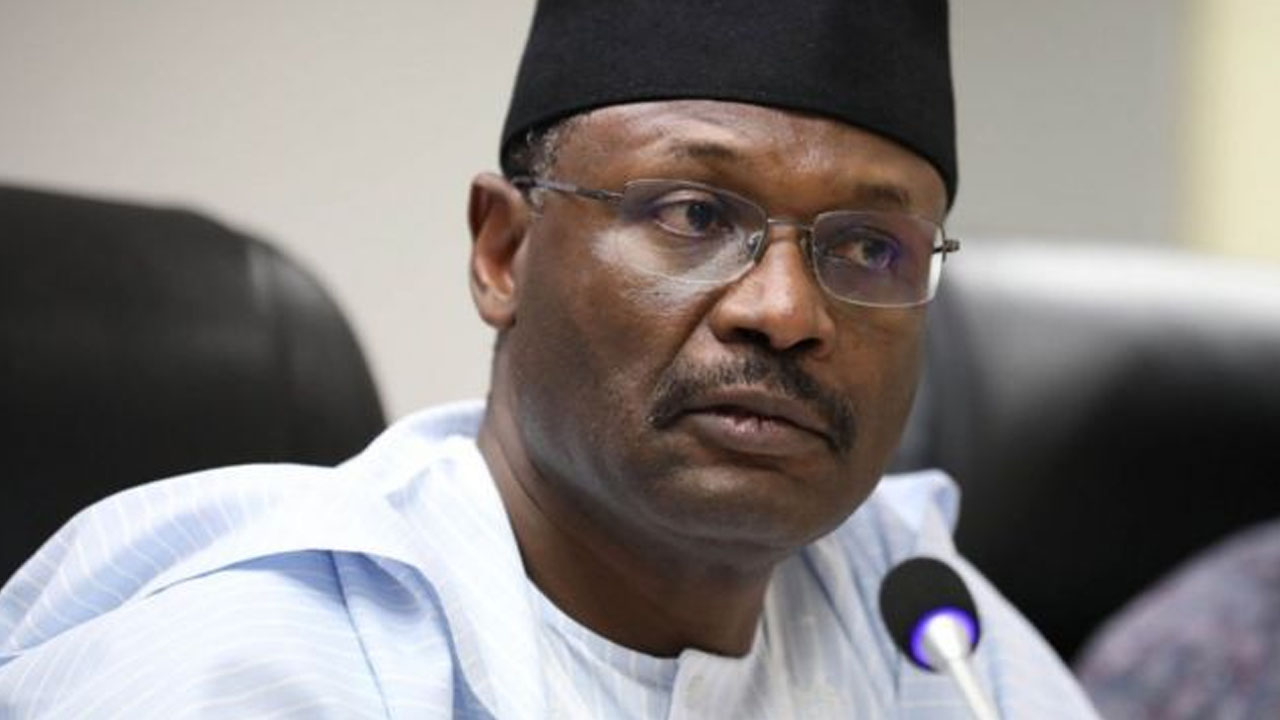
Former Deputy National Publicity Secretary of the All Progressives Congress (APC), Timi Frank, has called on the Independent National Electoral Commission (INEC) to implement critical reforms ahead of the 2027 elections to ensure credible polls and prevent potential unrest.
Frank’s statement followed reports from Nepal, where authorities announced the death toll from last week’s anti-corruption protests had risen to 72, as search teams continued recovering bodies from government offices, houses, and other buildings destroyed during the demonstrations, the Health Ministry said.
The unrest, described as the deadliest political violence in decades in Nepal, erupted when primarily young citizens took to the streets of Kathmandu and other cities, forcing Prime Minister Khadga Sharma Oli to resign last Tuesday. Frank emphasised that Nigeria’s democratic institutions—including INEC, the judiciary, and security agencies—play critical roles in upholding the rule of law and preventing similar unrest.
He also urged the APC to halt attacks, intimidation, and harassment of opposition leaders, stating: “This bold and positive action should not stand alone. As the nation looks ahead to the 2027 general elections, INEC must replicate this same spirit of independence and courage in the overall conduct of the polls. Now that the new leadership of the African Democratic Congress (ADC) has been recognised by INEC, we urge Nigerians to repose confidence in and support it as the party that would change Nigeria for the better and ensure freedom and prosperity for all. We also urge Nigerians to be prepared to vote and defend their votes in 2027.”
Public affairs analyst Olabode Opeseitan noted that the devastation in Nepal serves as a warning for Nigeria, highlighting the importance of lawful and peaceful protest. “The right to protest is a core constitutional guarantee under Section 40, but applies only to peaceful, lawful assemblies. Once a protest descends into violence or is hijacked by actors with intent for arson, looting, or sabotage, it loses that shield and becomes a criminal act under Nigerian law. Recent Nigerian history, notably the EndSARS protests, shows how quickly noble causes can be undermined: BRT buses, police stations across the country, and forensic/ICT labs in Lagos and Kano were burned, and businesses targeted and destroyed,” he said.
Opeseitan further asserted that advocating violent actions is punishable under Nigerian law, regardless of intent or social media context. “While the right to protest remains foundational for democracy and must be protected, it carries a duty to reject violence and respect the line between dissent and destruction. Those who mobilise, encourage or celebrate protest movements must weigh the tragic precedent of Nepal and the bitter lessons of EndSARS: rhetoric matters, and so does legal accountability. Anyone tempted to use Nigeria’s present hardships as justification for Nepal-scale protest must remember: Nigerian law holds every citizen responsible for upholding peace.”
In Nepal, security forces used tear gas and rubber bullets to disperse protesters, who nonetheless torched state institutions including the Supreme Court, parliament, police posts, politicians’ homes, and private businesses. Health Ministry spokesperson Prakash Budathoki said that bodies of those killed in attacked and burnt buildings continue to be discovered, while at least 2,113 people were injured, a significant rise from 51 reported on Saturday.
Following the resignation of Oli, former Chief Justice Sushila Karki was sworn in as interim Prime Minister, becoming Nepal’s first female leader. She is tasked with overseeing a new parliamentary election scheduled for March 5, 2026. Karki announced compensation of one million rupees (about $7,100) for families of those killed and free medical treatment for the injured, beginning work in a temporary office after the PM’s building was destroyed. “We must now engage in rebuilding the destroyed structures,” she told senior government officials, according to state television.