
Stakeholders across the South-West region have raised alarm over the deteriorating condition of farm settlements originally established during the pre-oil era, noting that many have been abandoned despite their significant potential to drive economic growth and agricultural productivity.
Investigations reveal a wide disparity among states: while some have made tangible efforts to rehabilitate and utilize these settlements, others continue to let them languish in neglect. The farm settlements, conceived during the administration of Chief Obafemi Awolowo, were intended to boost agriculture, make the practice more efficient and accessible, create employment for young school leavers, and foster regional economic progress. Governments in the old Western Region acquired land, built settler housing, and allocated six to eight hectares of cultivation land per settler.
In Ekiti State, two farm settlements and five farm centres located in Orin, Eporo, Osin, Iyemero, and Gede communities have been revitalised under the administration of Governor Biodun Oyebanji. The facilities now house young farmers and include refurbished dormitories and hostels equipped with televisions and cable networks to enhance comfort. A farmer, Segun, praised the initiative: “One of the best decisions taken by any government in the state is the one by the administration to put to use the farm settlements, which had been abandoned for years. Now we are concentrating in the farm, doing our farming business and producing without any hindrance. We have a well-furnished place to live and be comfortable.” Adebola Alagbada, Chairman of the All Farmers Association in Ekiti State, also commended the governor for aligning with Awolowo’s original vision to achieve food self-sufficiency. Commissioner for Agriculture and Food Security Ebenezer Boluwade explained that the administration has extended its efforts beyond the farm settlements by creating farm clusters and hubs to provide broader access to farmland.
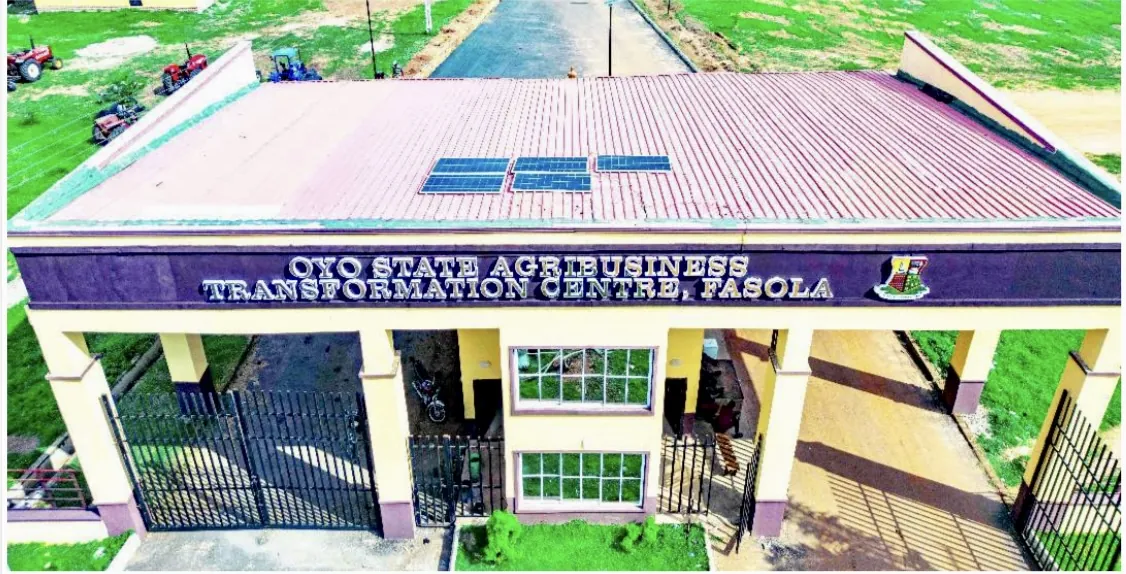
In Oyo State, the government is actively restoring settlements in Eruwa, Fasola, Ijaiye, Ilora, Ireland Adu, and Akufo, some of which are being leased to farmers for cultivation. The Ijaiye Special Agro-Industrial Processing Zone has been inaugurated on 3,000 hectares of the 7,581-hectare Ijaiye farm settlement, aimed at boosting agricultural output and agribusiness in Akinyele Local Government Area. Dr. Debo Akande, Director-General of OYSADA, assured that current farmers would be integrated into the scheme. He highlighted upcoming twin initiatives: an AfDB-supported processing zone and a Rungis-styled international agribusiness market, both designed to enhance value for farmers. A representative of Folhope Nigeria Limited urged the government to collaborate with foreign investors and improve social amenities and security to ensure the success of these settlements. Mr. Sarafadeen Araoye of Farmsfield Farmers Investment Cooperative Group emphasised the need to activate existing factories and engage youth in expanding the settlements.
Ondo State’s farm settlements—originally in Ile-Oluji, Onisere, Okitipupa, and Mariwo—once served as self-sustaining agricultural communities complete with schools, clinics, cooperatives, and housing, producing commodities such as cocoa, palm oil, and rubber for export. However, these once-flourishing settlements are now largely deserted. Pa Samuel Anisere, an 82-year-old from Mariwo, recalled the early optimism, stating that each successive government’s waning interest led to their decline. A younger farmer, Patrick, lamented that fewer than 20 farmers now work on the 150-hectare settlement, with no residential facilities, and growing land disputes leaving settlers vulnerable to eviction. In Okitipupa, only around 50 farmers remain on 800 hectares; 95 settlers hold approximately 1,000 hectares in Onisere, but face spoilage issues due to poor roads and lack of markets. Ile-Oluji suffers similar challenges. Mr. Michael Aladesawe, a retired agricultural officer, described the settlements as Nigeria’s most ambitious rural transformation initiative, noting that they once helped curb rural-urban drift and provide youth employment. He also recalled Governor Mimiko’s 2009 revival attempt via Agro Business Cities under the Profarmers and Agropreneurs Sustainable Scheme, which briefly yielded attention from the World Bank before fading into underuse. The current administration under Governor Lucky Aiyedatiwa has launched renewed efforts starting in 2024 with support in Jugbere, including seedling distribution and machinery. The government has also declared lands in Mariwo, Onisere, Ile-Oluji, and Okitipupa as government-owned reserves to deter land grabbers and strengthen food security.
In Ogun State, Awolowo’s eight settlements—located in Ajegunle, Mile 6 Abeokuta, Ago-Iwoye, Ado-Odo, Coker, Ikenne, Ibiade, Sawonjo, and Ilewo Orile—now host diverse agricultural enterprises. Permanent Secretary Mrs. Kehinde Jokotoye shared that the federal government provided free fertilizer in 2024, and the Ogun State Economic Transformation Project is rehabilitating warehouses and constructing solar dryers to reduce post-harvest losses.
Osun State houses nine settlements, established in phases during the 1960s and 1990s, situated in Ago-Owu, Ila-Orangun, Mokore, Oyere, Esa-Oke, Iwo, Igbaye, Ifon-Orolu, and Oluponna. The settlements are currently undermined by prospective mining activities, which threaten farm operations and livelihoods. Adeyemi Badmus warned of displacement leading to insecurity and poverty, while the governor assured that mining will only proceed following proper procedures and compensation.

