Eighty years after the end of World War II, Japan and China are marking the anniversary with major events, but on different dates and in different ways.
Japan observes the victims in a solemn ceremony on August 15, the day then-Emperor Hirohito announced in a radio message that the government had surrendered, while China showcases its military strength with a parade on September 3, the day after the formal surrender on an American battleship in Tokyo Bay.
Japan occupied much of China before and during World War II in a devastating and brutal invasion that, by some estimates, killed millions of people. The wartime experience continues to affect relations between the two countries. A museum in the Chinese city of Benxi highlights the struggles of anti-Japanese resistance fighters who lived in log cabins through fierce winters in Manchuria, then retreated into Russia. They returned only after the Soviet Union declared war on Japan and launched an offensive into Manchuria on August 9, 1945 — the same day the U.S. dropped an atomic bomb on Nagasaki — adding to the pressure on Japan to surrender.
Today, China’s military developments raise regional concerns, as it seeks to enforce territorial claims in the Pacific. When Japan discusses building up its defense to counter perceived threats, its militaristic past is often cited by China as a point of caution. A Chinese Foreign Ministry spokesperson stated, “We urge Japan to deeply reflect on its historical culpability, earnestly draw lessons from history and stop using hype over regional tensions and China-related issues to conceal its true intent of military expansion.”
Hirohito’s prerecorded surrender broadcast on August 15, 1945, was incomprehensible to many Japanese. He used arcane language and the sound quality was poor, but what mattered to historians was that the message came directly from the emperor, who was considered a living god and in whose name the war was fought. Most Japanese had never heard his voice before.
The current emperor, Hirohito’s grandson Naruhito, and the prime minister are set to make remarks at the annual ceremony in Tokyo on August 15. At last year’s event, Naruhito expressed deep remorse over Japan’s actions during the war. However, on the same day, three Japanese cabinet ministers visited Tokyo’s Yasukuni shrine, drawing criticism from China and South Korea, which regard the shrine as a symbol of militarism. Japan formally surrendered on September 2, 1945, in a ceremony aboard the American battleship USS Missouri. Japanese officials signed on behalf of Hirohito, while U.S. General Douglas MacArthur and representatives from China and other nations that had fought Japan signed on behalf of the Allied powers.
China designated September 3 as Victory Day. Eleven years ago, the Communist Party intensified how the country marks the anniversary. All of China’s top leaders, including President Xi Jinping, attended a commemorative event on that date. This renewed focus coincided with rising tension with Japan over conflicting interpretations of wartime history and ongoing territorial disputes in the East China Sea.
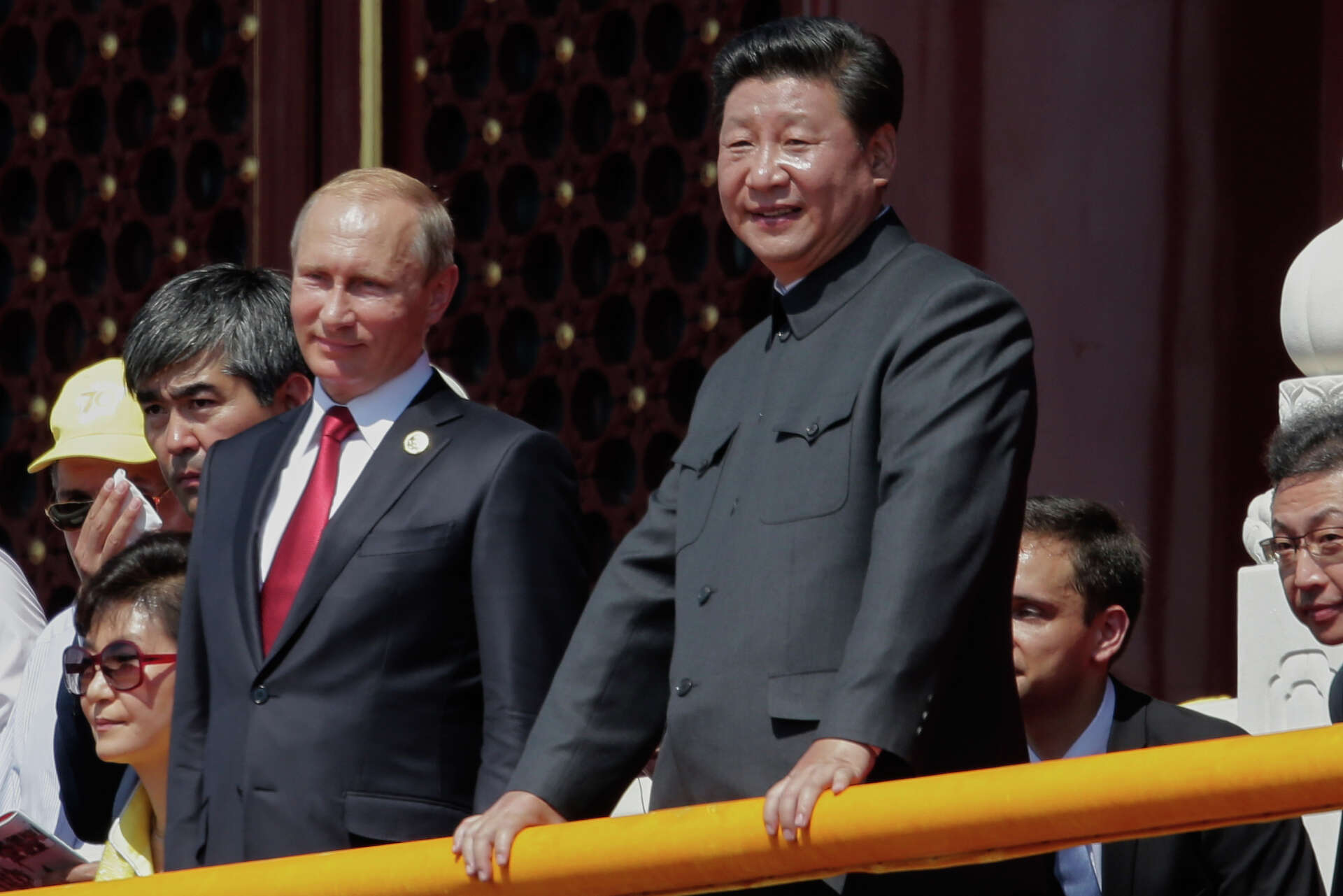
China staged a military parade on the 70th anniversary of the end of the war. A decade later, preparations are underway for another grand parade featuring missiles, tanks, and thousands of troops. The parade is intended to showcase China’s growing military capabilities and assert its position in regional and global affairs.