
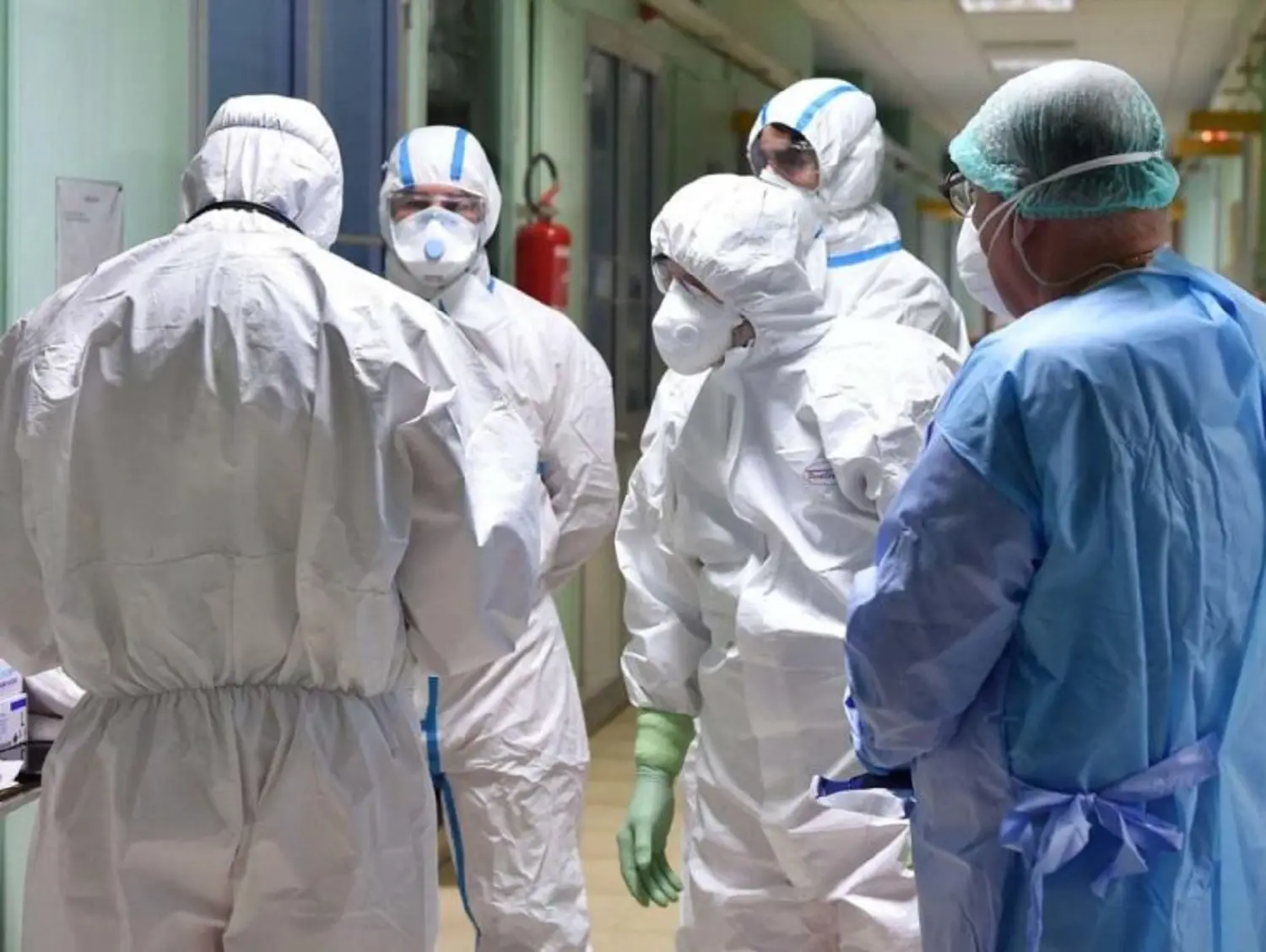
Nigerian health workers are under immense strain, with many nearing a breaking point due to overwhelming workloads, stagnant wages, poor infrastructure, and low morale.
In July 2025, public hospital nurses launched a seven-day warning strike—potentially escalating to an indefinite strike—for better pay and working conditions after federal-level negotiations fell apart. Over the past three years, more than 42,000 nurses and midwives have left Nigeria in search of better opportunities abroad. Doctors have similarly fled, with at least 16,000 departing within five years.
Healthcare staff face brutal patient ratios—often tens or hundreds of times above World Health Organization recommendations. Hospitals suffer frequent equipment shortages, unreliable electricity and water, and cramped facilities. These systemic failures force medical professionals to improvise in life-or-death situations.
Remuneration remains woefully inadequate: junior doctors in public hospitals may earn under ₦200,000 monthly, with many allowances unpaid. Career advancement is limited, postgraduate training is often unaffordable, and mental health support is practically nonexistent. Many professionals cite insecurity—including harassment and assaults en route to work—as a major reason for abandoning their posts.
Burnout is widespread: doctors often cover multiple wards with minimal rest, and nurses routinely handle duties meant for several staff members. Mental health breakdowns and emotional exhaustion are becoming common as the system collapses under demand.
Unless urgent action is taken—implementing salary reforms, improving working conditions, and hiring additional staff—the exodus of healthcare professionals will continue, leaving the nation’s healthcare system on the verge of total collapse.

