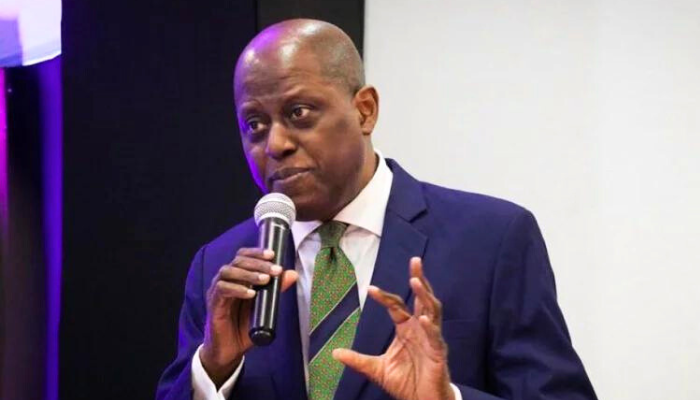
The Central Bank of Nigeria has confirmed that eight commercial banks have successfully met the new minimum capital requirements set under its ongoing recapitalisation programme. This announcement was made by the CBN Governor, Olayemi Cardoso, following the conclusion of the Monetary Policy Committee’s meeting in Abuja.
The recapitalisation exercise, which was initiated in March 2024, mandates that international commercial banks raise their minimum capital base to ₦500 billion, national banks to ₦200 billion, and regional banks to ₦50 billion. The directive is expected to be fully complied with by all banks on or before the 31st of March, 2026. Governor Cardoso disclosed that as of July 22, eight banks had already met the capital requirement, demonstrating a proactive response to the regulatory policy. He added that several other banks are well on course to achieving compliance within the stipulated timeframe.
According to the CBN Governor, the objective of the recapitalisation policy is to strengthen the resilience and financial capacity of the banking sector, enabling banks to support larger economic projects and contribute more meaningfully to national development. He reiterated that this move is in line with international best practices for risk-based supervision and capital adequacy.
Governor Cardoso also reaffirmed the overall stability of the Nigerian financial system. He noted that key banking indicators, including liquidity, profitability, and asset quality, remain sound and that the banking sector continues to demonstrate robustness amid evolving macroeconomic conditions. The CBN, he stated, will maintain strict regulatory oversight to ensure that all banks comply with prudential standards and the recapitalisation roadmap.
The Monetary Policy Committee, after reviewing current economic conditions, resolved to retain all existing monetary parameters. The Monetary Policy Rate remains at 26.25 per cent, with the asymmetric corridor held at +100/-300 basis points. The Cash Reserve Ratio for deposit money banks remains at 45 per cent, while the liquidity ratio is maintained at 30 per cent.
Governor Cardoso also provided an update on Nigeria’s external reserves, which he said stand at $40.1 billion as of mid-July. This level of reserves is sufficient to cover nearly ten months of imports and reflects relative stability in the foreign exchange market. He attributed the improvement in reserves to ongoing reforms in the FX regime and enhanced investor confidence.
While inflation remains a major concern, the CBN noted a marginal decline in headline inflation in June, indicating that its monetary tightening measures are beginning to yield results. However, food inflation and core inflation continue to exert pressure on household welfare. The CBN Governor reiterated the bank’s commitment to achieving a sustained disinflation trajectory and reaching a sub-30 per cent inflation target by the end of the year.
As the 2026 recapitalisation deadline draws closer, the CBN has warned that non-compliant banks will face regulatory sanctions, which may include licence downgrades, forced mergers, or other supervisory actions. The central bank assured the public that no bank would be allowed to operate below the new capital threshold, as maintaining financial stability and depositor protection remains a core priority of the apex bank.
With eight banks already meeting the capital requirement, the recapitalisation exercise is gaining momentum and is expected to reposition the banking sector for stronger economic impact, enhanced competitiveness, and greater confidence from both domestic and international stakeholders.